

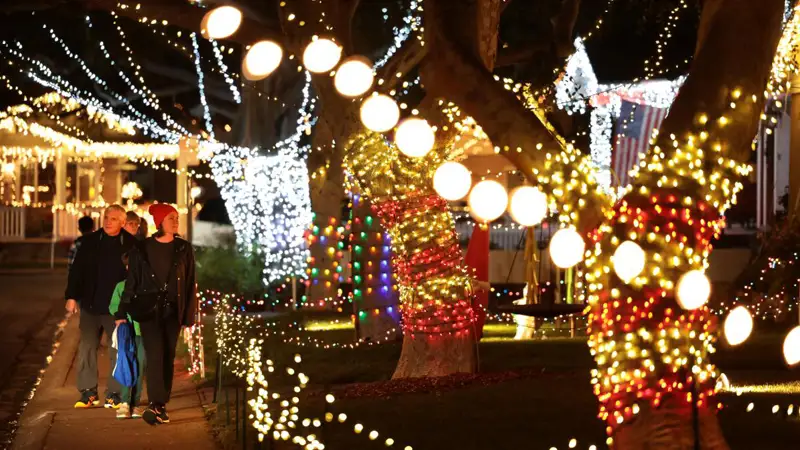

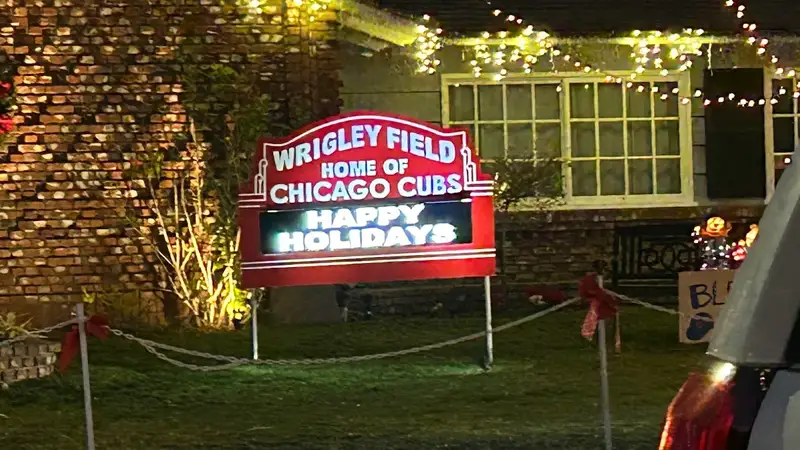

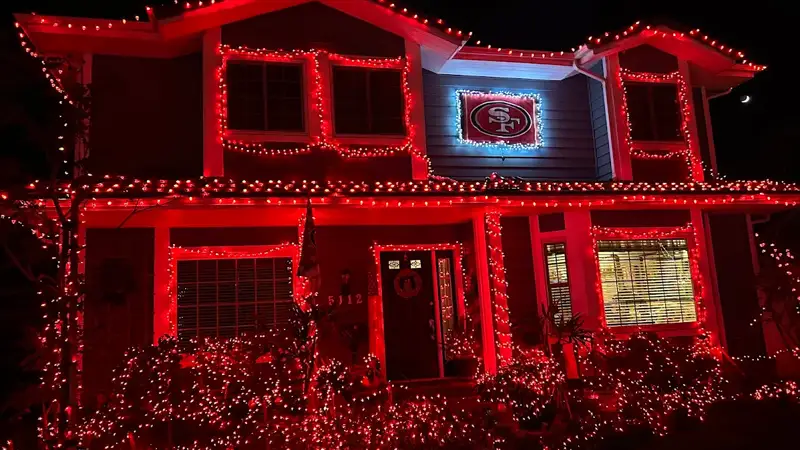
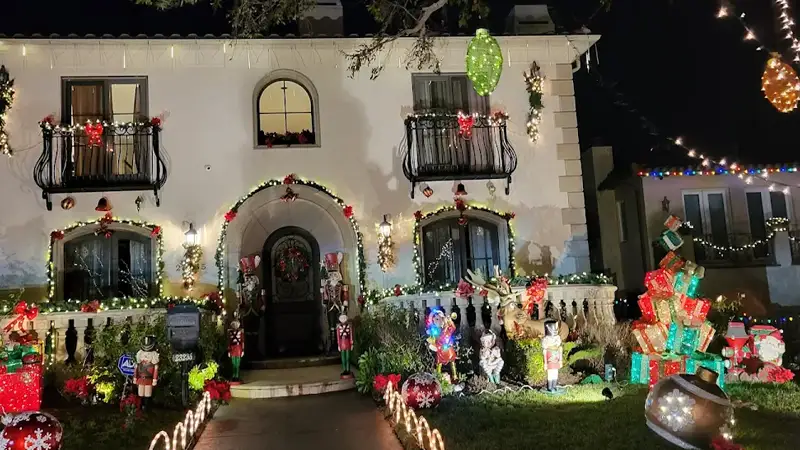
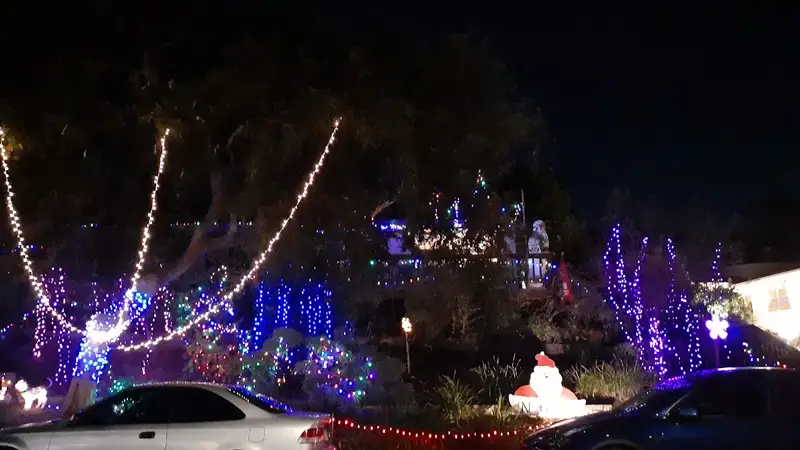
In the heart of South Torrance, a stone’s throw from the Pacific Coast Highway in Los Angeles, California, the Torrance Christmas Lights—affectionately known as Sleepy Hollow or Seaside Holiday Lights—stands as a beacon of festive ingenuity for over four decades.
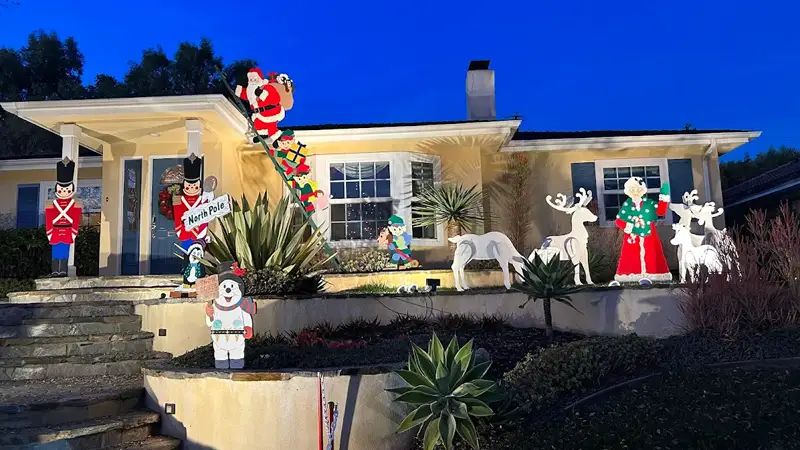
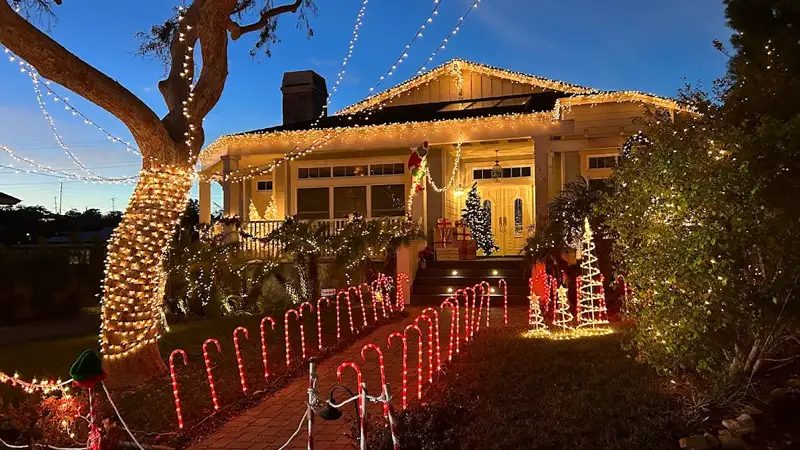
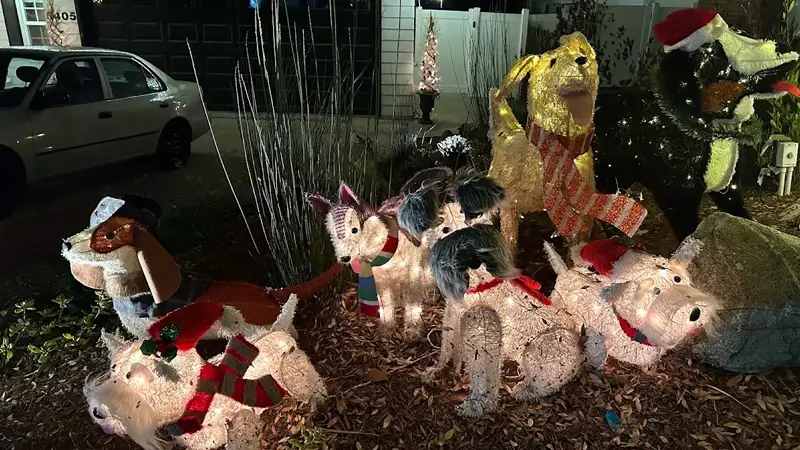
This sprawling neighborhood display along tree-lined streets like Robert Road transforms multimillion-dollar homes into a symphony of twinkling bulbs, inflatable Santas, and custom yard spectacles, all powered by the sweat and savvy of local residents who double as weekend warriors.
What sets this display apart is the hands-on ethos: families wield hooked poles to drape lights over towering palms, craft wooden pallet trees, and hide playful ornaments like rogue Mickeys amid the glow. It’s a testament to practical handyman skills—safe wiring runs, sturdy ladder work, and weatherproof setups—that turn everyday suburbia into a drive-through holiday movie set, drawing thousands without a single ticket booth in sight.
The Craft Behind the Glow
Tucked into the Seaside Ranchos neighborhood of South Torrance, the Christmas Lights display—often called Sleepy Hollow or Candy Cane Lane—relies on a network of resident handymen who treat their holiday setups like annual engineering projects.
Over 40 years strong, these folks climb extension ladders to string miles of LED and incandescent strands across two-story roofs, secure inflatable figures against coastal gusts with custom guy wires, and bury extension cords in weatherproof conduits to avoid tripping hazards.
One standout home might feature a DIY wooden archway lit by synchronized bulbs, while another boasts palm trees wrapped in cascading lights using professional-grade clips and timers. It’s all volunteer-driven, with neighbors swapping tips on voltage drops or UV-resistant wiring during block parties, turning potential hazards into seamless spectacles that light up from 6 p.m. to 10 p.m. nightly.
Navigating the Neighborhood Wonderland
Spanning streets like Robert Road, Calle Mayor, and Vanderhill Drive, this drive-thru or walkable extravaganza covers several blocks of multimillion-dollar homes draped in everything from twinkling reindeer herds to glowing gingerbread facades. The real draw is the sensory overload: faint carols piping from speakers, the scent of pine from real wreaths, and playful hidden gems like light-up Legos tucked into bushes.
For handyman enthusiasts, it’s a live demo reel—spot the reinforced gutters holding icicle strands or solar-powered accents reducing energy draw. Best visited mid-December through New Year’s, when the full frenzy peaks; enter via PCH north on Robert or Calle Mayor to ease into the loop without backtracking.
Weighing the Holiday Highlights and Hurdles
Pros
- Epic scale with free access—no lines or fees, just pure community magic
- Up-close views of pro-level installs, from safe electrical runs to creative repurposing of scrap wood
- Family pacesetter for DIY ideas; walk it in 20–30 minutes or loop by car for repeat peeks
- Weeknights shine with lighter traffic, letting you chat with creators mid-stroll
Cons
- Weekend parking crunch means circling blocks or parking at Tulita Elementary and hoofing it (west entrance blocks cars)
- No on-site perks like restrooms or snacks—hit nearby spots like Hey 19 for pre-light dinner
- Trash buildup from crowds falls on residents, so pack out your cocoa cups
- New 2025 rules nix vending, keeping it authentic but limiting impulse buys
This isn’t just lights; it’s a masterclass in residential handiwork, where one block’s elbow grease sparks joy for thousands. If you’re wiring your own setup, swing by for real-world hacks that’ll save you headaches come next season.
Frequently Asked Questions
The display typically begins the first or second weekend of December and runs nightly through January 1 or 2.
Lights turn on at dusk (around 5:30–6:00 p.m.) and shut off at 10:00 p.m. Sunday through Thursday, and 11:00 p.m. on Fridays and Saturdays.
Yes, it’s completely free; most people drive slowly through the loop, but walking is also popular and gives better views of the details.
Park at Tulita Elementary (1520 Calle Mayor) or along Pacific Coast Highway and walk in; the west entrance on Robert Road is closed to cars on busy nights.
No facilities or vendors are allowed inside the display area; plan restroom and snack stops before arriving.
Rate us and Write a Review
- Closed Now08:00 AM - 07:00 PM
- Monday08:00 AM - 07:00 PM
- Tuesday08:00 AM - 07:00 PM
- Wednesday08:00 AM - 07:00 PM
- Thursday08:00 AM - 07:00 PM
- Friday08:00 AM - 07:00 PM
- Saturday08:00 AM - 07:00 PM
- Sunday08:00 AM - 07:00 PM
- $$$$
 Own or work here?
