

Tucked away from the bustling Venice Beach boardwalk, the Venice Canal Historic District offers a serene escape inspired by its Italian namesake. Envisioned by Abbot Kinney in 1905, this man-made waterway remains one of Los Angeles’ most picturesque gems for locals and travelers alike.
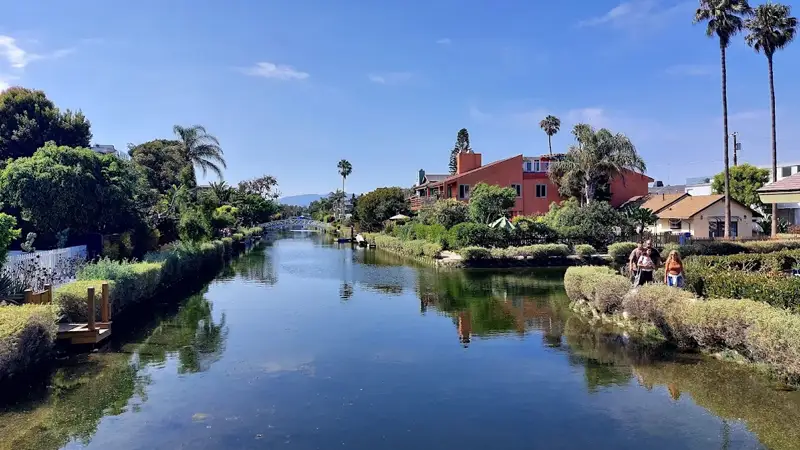
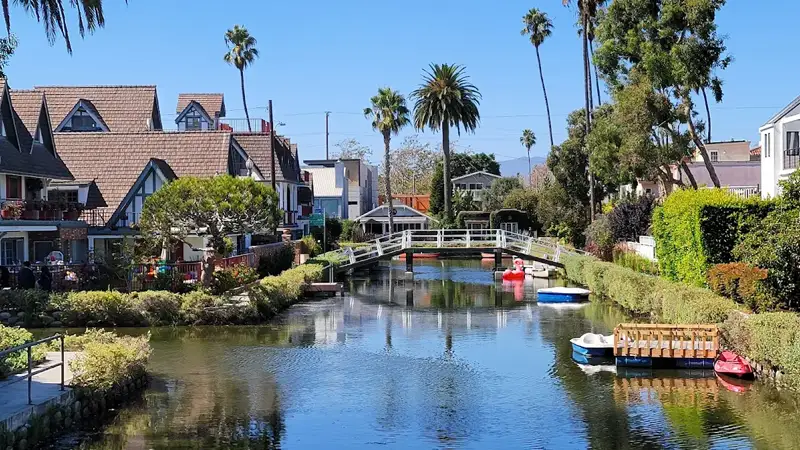
Visitors can stroll across arched pedestrian bridges while admiring the eclectic mix of architecture lining the banks. These canals provide a unique, tranquil perspective on Southern California’s coastal history, making them a must-visit for any sightseeing itinerary.
A Masterpiece of Landscape and Architecture
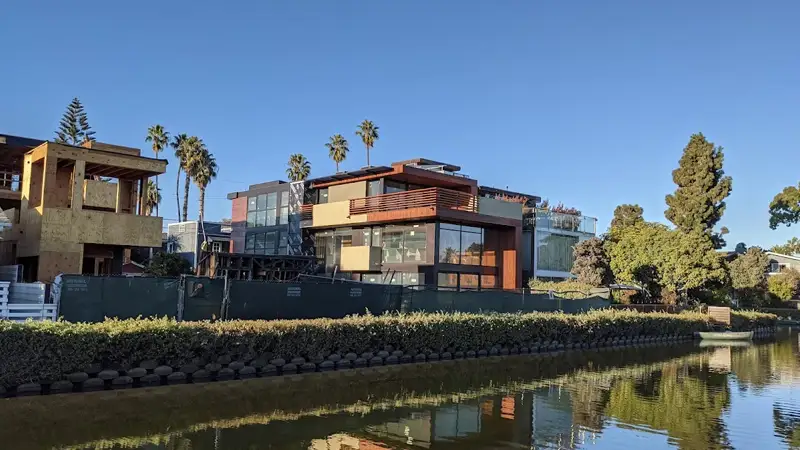
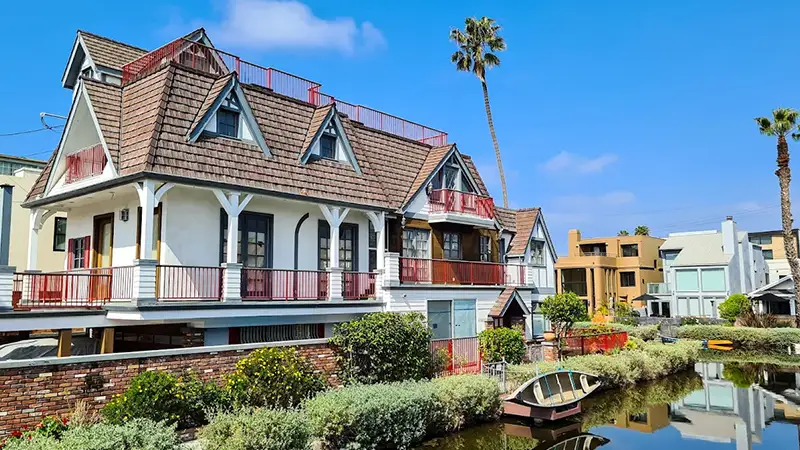
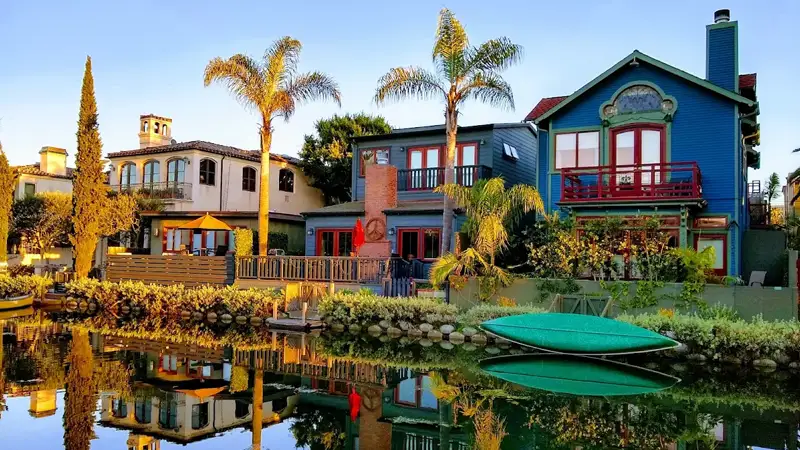
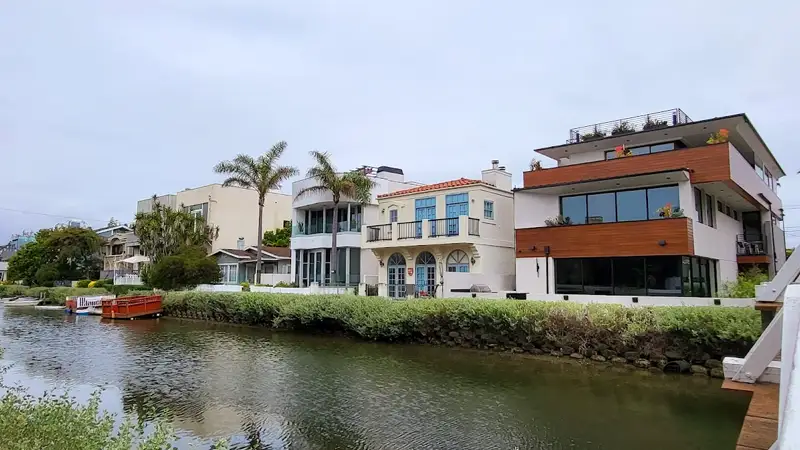
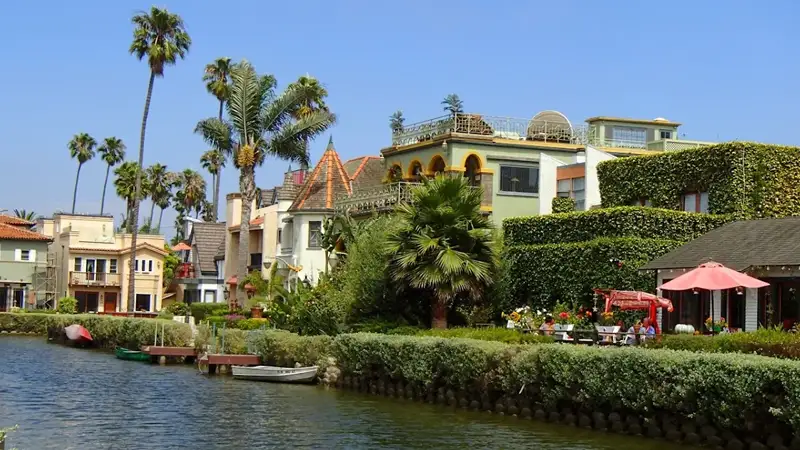
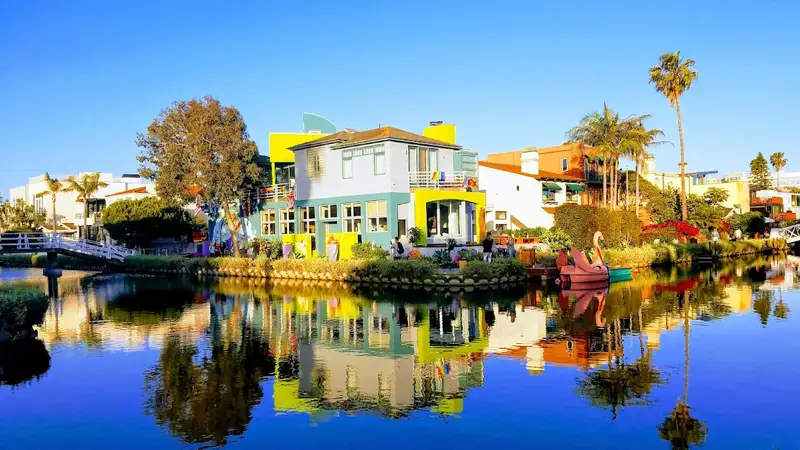
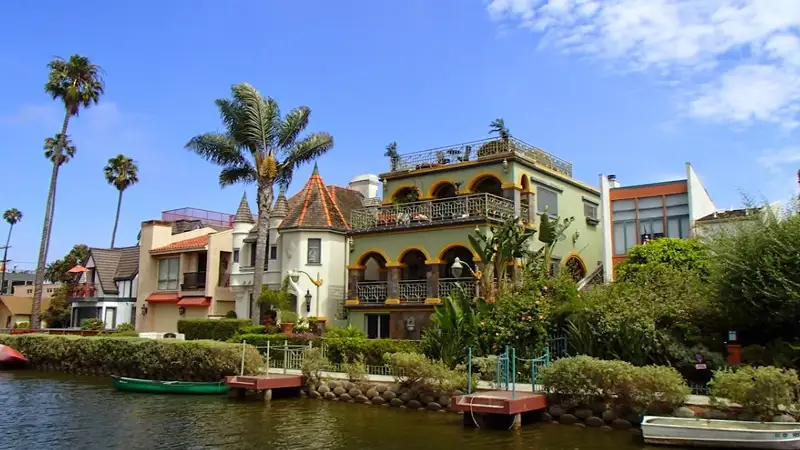
Walking through the Venice Canal Historic District feels like stepping into a living postcard. The area consists of six remaining canals—Carroll, Linnie, Howland, Sherman, Eastern, and Grand—that are linked by charming, white-painted pedestrian bridges. As you wander the narrow sidewalks, you’ll notice an incredible architectural mosaic; sleek, modern glass structures sit right next to whimsical, storybook-style cottages.
This visual diversity reflects decades of transformation, yet the district maintains a cohesive, old-world charm that is rarely found in the middle of a major metropolis like Los Angeles.
The landscaping adds another layer of beauty to the experience. Lush gardens spill over the edges of private docks, filled with colorful bougainvillea and native California plants. While the water reflects the sky, you can often spot residents navigating the canals in small paddleboats or canoes. It is a slow-paced environment that encourages visitors to put away their phones and simply appreciate the craftsmanship of the homes and the stillness of the water.
Amenities and the Visitor Experience
As a residential landmark, the “amenities” here are defined by the natural environment and the infrastructure designed for walking. The primary feature is the paved pathway system that borders every canal, providing a safe and accessible route for photographers and sightseers. Benches are scattered occasionally along the paths, offering a place to sit and watch the local ducks and herons that call these waterways home.
While there are no commercial shops or restaurants within the canals themselves, their location is strategically perfect. You are only a few blocks away from the vibrant energy of Washington Boulevard and the famous Venice Boardwalk. This proximity allows visitors to enjoy the quietude of the historic district before heading back to the city’s many cafes and boutiques. It’s important to remember that because this is a neighborhood, the amenities are geared toward peaceful observation rather than active recreation.
Planning Your Walk: Pros and Considerations
The Venice Canal Historic District offers several major advantages for travelers. First, it is entirely free to explore, making it one of the best budget-friendly sightseeing stops in Southern California. The lighting during “golden hour”—just before sunset—is particularly spectacular, casting a warm glow over the water that is perfect for professional and amateur photography alike. Additionally, the district provides a rare opportunity to see a historic side of Venice that survived the modernization of the early 20th century.
However, there are a few practical considerations to keep in mind. Parking can be notoriously difficult, as the surrounding streets are narrow and often filled with residents’ cars; utilizing a nearby paid lot or rideshare service is highly recommended. Because the paths are right against people’s backyards, visitors must remain respectful of noise levels and privacy.
Furthermore, there are no public restrooms within the canal boundaries, so it is wise to plan your visit accordingly. Despite these small hurdles, the chance to experience such a unique piece of urban history is well worth the effort.
Frequently Asked Questions
No, the canals are a public historic district and are completely free for all visitors to enjoy.
No, there are no commercial boat rentals available, as the waterways are primarily for the use of local residents and wildlife.
While the canals are strictly residential, a wide variety of cafes and restaurants are located just a few blocks away on Washington Boulevard.
Street parking is very limited and often difficult to secure; it is highly recommended to use a nearby paid parking lot or a rideshare service.
Golden hour, the time shortly before sunset, provides the most beautiful lighting and reflections for photography.
Rate us and Write a Review
- Sunday24 hours open
- Monday24 hours open
- Tuesday24 hours open
- Wednesday24 hours open
- Thursday24 hours open
- Friday24 hours open
- Saturday24 hours open
 Own or work here?
