

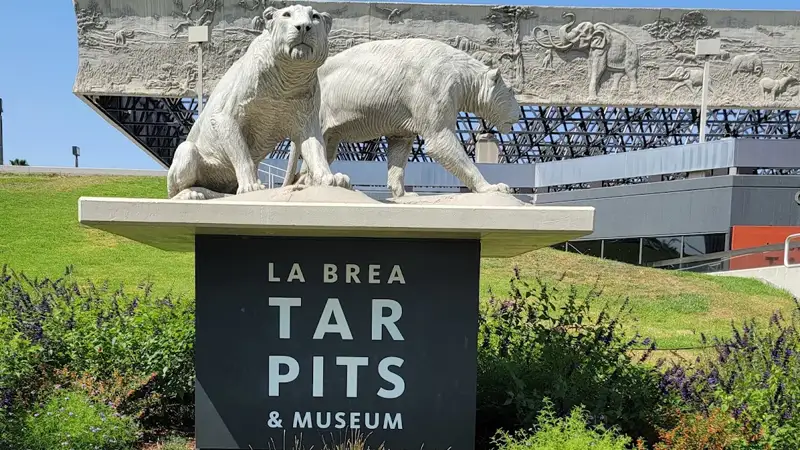
Checkout La Brea Tar Pits and Museum Watch Video
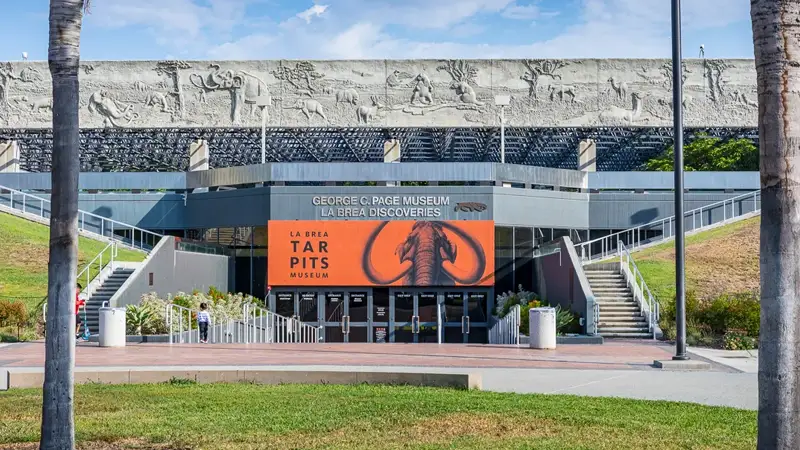
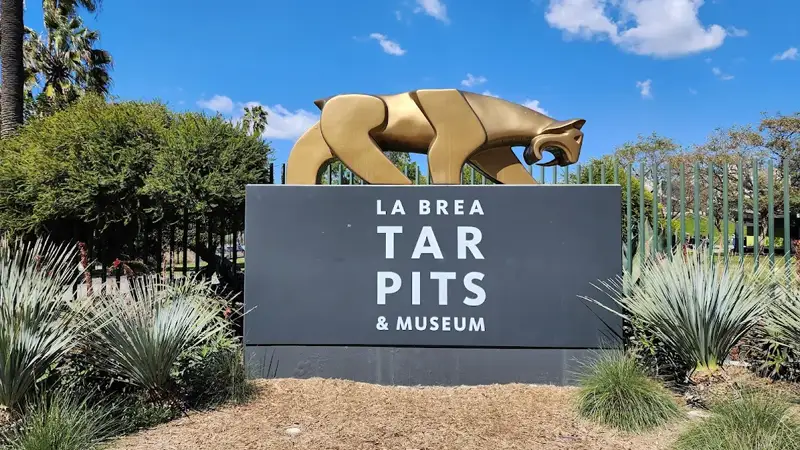
The La Brea Tar Pits and Museum offers a unique window into the Ice Age right in the center of Los Angeles. As one of the world’s most famous active paleontological sites, it allows visitors to watch scientists excavate fossils of mammoths, saber-toothed cats, and dire wolves from the bubbling asphalt.
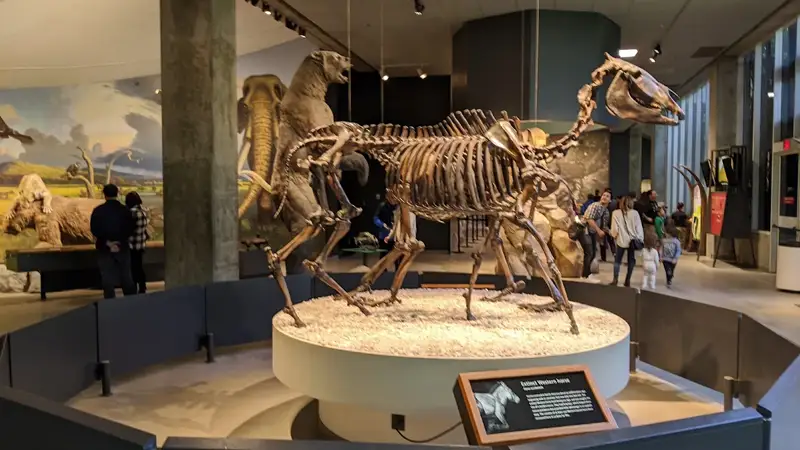
Inside the museum, these ancient discoveries come to life through immersive exhibits and reconstructed skeletons. It serves as a fascinating educational destination, bridging the gap between prehistoric history and the modern urban environment surrounding it.
Unearthing Prehistory in the City Center
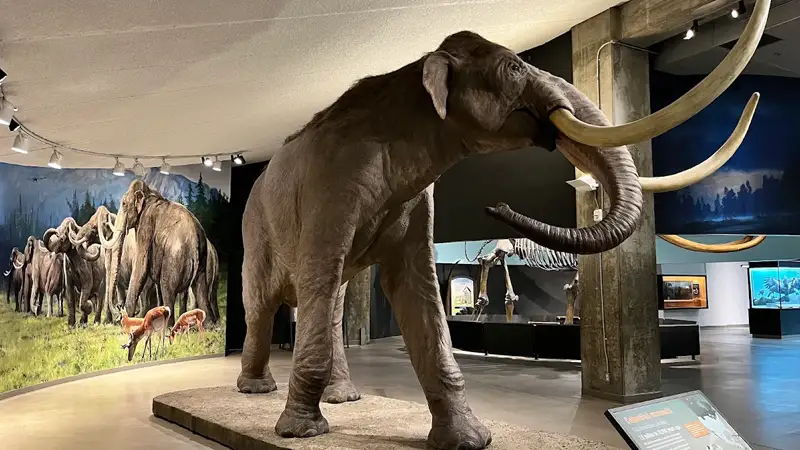
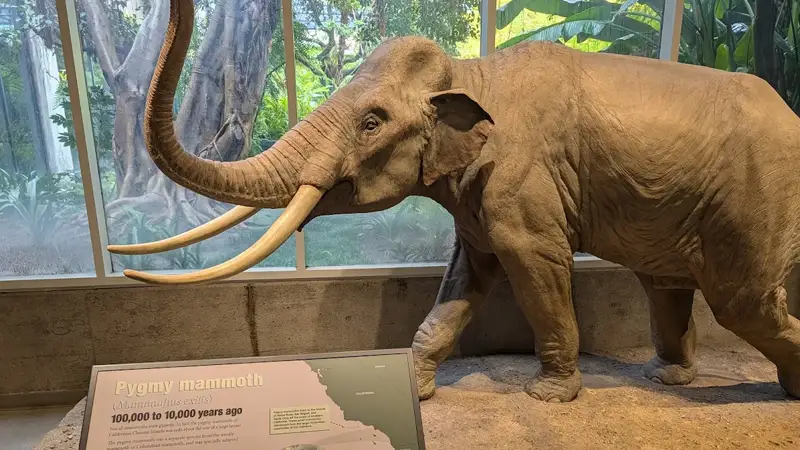
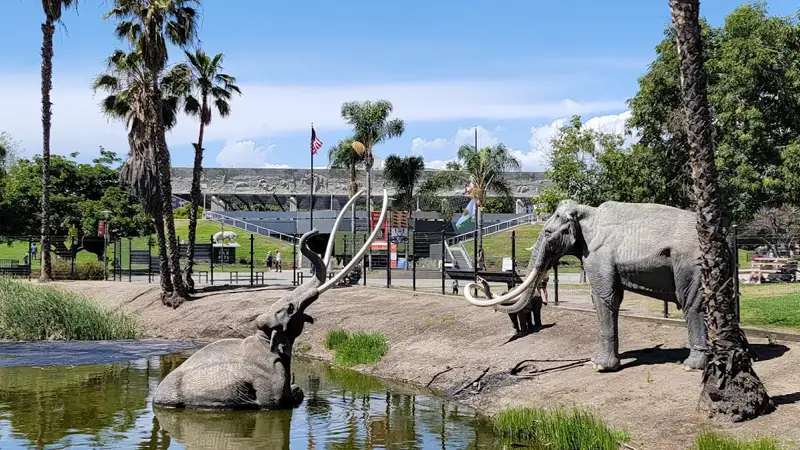
Walking through Hancock Park, the first thing you notice is the distinct scent of asphalt. This isn’t roadwork; it’s the smell of prehistory bubbling up from the ground. The La Brea Tar Pits differ from standard museums because the site itself is the primary artifact. Visitors can stand at the edge of the famous Lake Pit and witness methane gas rising to the surface, creating the bubbles that once trapped Columbian mammoths and American mastodons thousands of years ago.
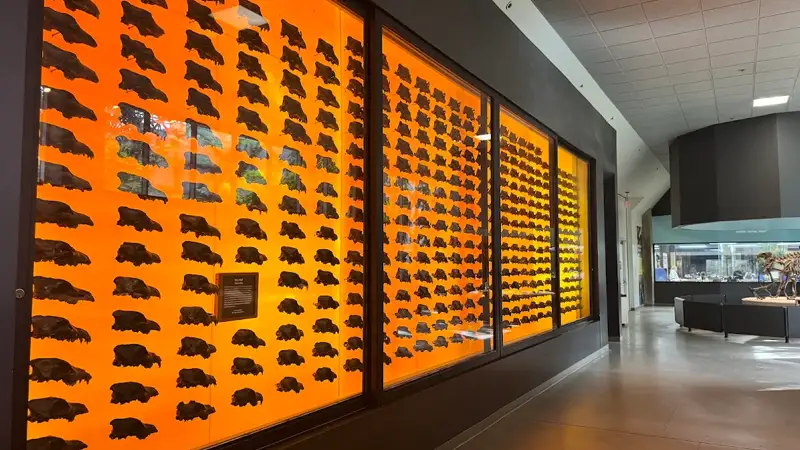
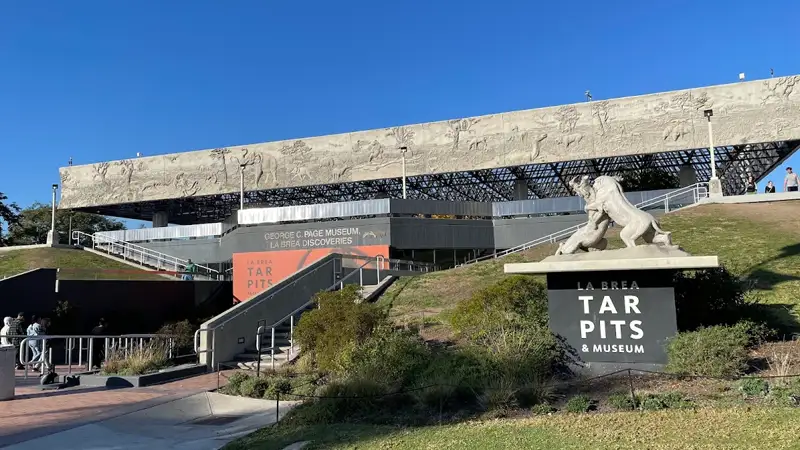
Inside the George C. Page Museum, the experience transitions from observation to education. The sheer volume of fossils recovered here is staggering. One of the most arresting displays is the “Dire Wolf Wall,” an illuminated case featuring over 400 skulls found in the pits. This visual repetition drives home the density of life—and death—that occurred here. The exhibits are well-curated to explain the specific geology of the Los Angeles Basin, making complex science accessible to children and adults alike.
The Fossil Lab and Park Amenities
A highlight that sets this location apart is the “Fossil Lab.” This glass-enclosed laboratory, often referred to as the “Fishbowl,” allows guests to watch paleontologists and volunteers actively cleaning and cataloging bones that were recently excavated just yards away. It bridges the gap between a dusty artifact and active scientific discovery, providing a real-time look at the meticulous work involved in preservation.
Beyond the museum walls, the surrounding park serves as a vital amenity. The grassy slopes offer a perfect spot for family picnics, and the wide paths connect directly to the Los Angeles County Museum of Art (LACMA) next door. For those interested in the excavation process, Project 23 shows active dig sites where researchers are currently working. Seeing crates of fossils being hoisted out of the ground adds a layer of immediacy that few other natural history museums can claim.
Evaluating the Visitor Experience: Pros and Cons
When evaluating a visit, the educational value is the strongest “pro.” There is simply no other place in the world where you can see Ice Age fossils in the exact location where the animals died. It provides a tangible connection to the past that is hard to replicate. The museum is compact enough to see fully in a few hours, making it an excellent stop that doesn’t require a full-day commitment, leaving time to explore the neighboring attractions on the Miracle Mile.
However, there are some considerations to keep in mind. The distinct odor of tar is omnipresent; while atmospheric, it can be off-putting to some visitors with sensitive noses. Additionally, parking can be a significant expense, as the lot is shared with LACMA and charges premium daily rates. Finally, those expecting a massive complex like the Smithsonian might find the indoor portion of the museum smaller than anticipated, though the outdoor grounds compensate for the limited square footage.
Frequently Asked Questions
The distinct odor is caused by natural asphalt and methane gas seeping up from the underground oil fields.
Yes, the glass-enclosed "Fossil Lab" allows guests to watch scientists clean and prepare bones in real-time.
The indoor museum is compact, so most visitors can fully explore the exhibits and outdoor grounds in about two hours.
Yes, there is a dedicated paid parking lot shared with LACMA, though fees can be relatively high.
It is a visually striking display featuring over 400 real dire wolf skulls that were excavated directly from the pits.
Rate us and Write a Review
- Closed Now09:30 AM - 05:00 PM
- Monday09:30 AM - 05:00 PM
- Tuesday09:30 AM - 05:00 PM
- Wednesday09:30 AM - 05:00 PM
- Thursday09:30 AM - 05:00 PM
- Friday09:30 AM - 05:00 PM
- Saturday09:30 AM - 05:00 PM
- Sunday09:30 AM - 05:00 PM
- $$$$
- Price Range $7.00 - $18.00
 Own or work here?
