



Checkout Los Angeles County Museum of Art Watch Video
The Los Angeles County Museum of Art (LACMA) stands as the largest art institution in the western United States, acting as a vital cultural hub in the city. Its vast collection spans thousands of years, offering visitors a journey through global creativity, ranging from ancient artifacts to contemporary works.
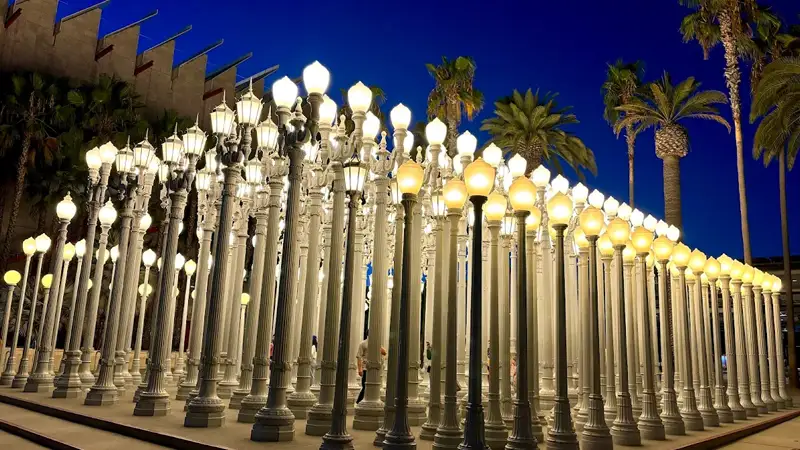
Beyond the galleries, the campus is famous for iconic outdoor installations like “Urban Light” that define the city’s visual identity. This destination promises an inspiring exploration of human expression suitable for every type of traveler.
A Convergence of Art, History, and Modern Design
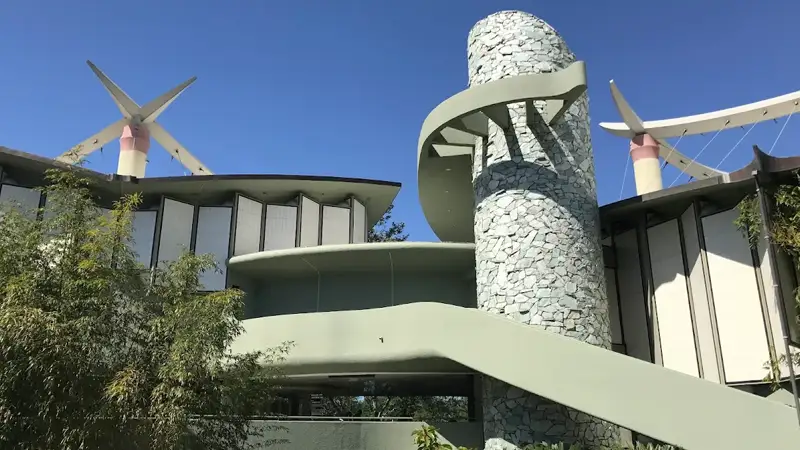
Visiting the Los Angeles County Museum of Art (LACMA) is a journey through the creative history of the world. Located on the famous Miracle Mile, the museum is not just a building but a sprawling campus that houses an encyclopedic collection. With over 150,000 objects, the galleries cover everything from ancient Greek ceramics to contemporary Japanese fashion. It is particularly renowned for its impressive holdings of Asian and Latin American art, which reflect the diverse cultural fabric of Los Angeles itself.
However, for many modern visitors, the experience begins outdoors. The museum’s most famous exhibit, Urban Light by Chris Burden, is located at the entrance on Wilshire Boulevard. This installation of 202 restored cast-iron street lamps has become an unofficial symbol of the city.
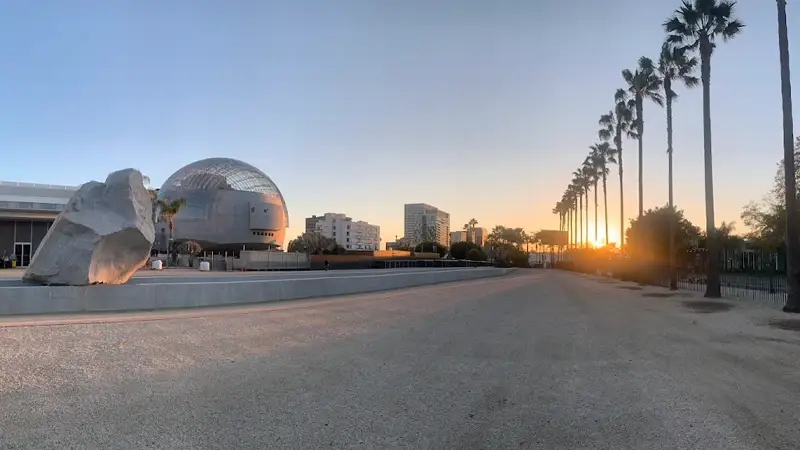
Whether you are an art historian or a casual tourist, walking through the forest of lamps—especially when they illuminate at dusk—is a magical and essential LA experience. Another outdoor highlight is Levitated Mass, a 340-ton granite boulder suspended above a walkway, offering a sense of scale and awe that few other landmarks can match.
Amenities and Campus Facilities
LACMA is designed to be a full-day destination with amenities that cater to comfort and leisure. After exploring the galleries, visitors can dine at Ray’s and Stark Bar, an acclaimed on-site restaurant offering seasonal cuisine and cocktails in a stylish mid-century setting. For a quicker bite, there is often a coffee bar available near the ticket office. The LACMA Store is also a standout, offering high-quality art books, unique home goods, and prints that go far beyond standard souvenir fare.
The museum’s location enhances its amenities; it sits within Hancock Park, directly adjacent to the La Brea Tar Pits. This allows visitors to easily combine an art tour with a walk through the prehistoric tar pits, making it an excellent area for families and groups with mixed interests.
Evaluating the Visitor Experience: Pros and Cons
When planning a visit, there are distinct advantages to consider. The primary “pro” is the sheer variety of art available; it is difficult to leave without finding something that resonates personally. Additionally, the outdoor installations like Urban Light are free to the public and accessible 24 hours a day, providing high value even without buying a ticket. The museum is also open late on Fridays (until 8:00 pm), allowing for a unique evening cultural experience.
On the downside, the museum is currently in a significant transitional phase. A major portion of the campus is under construction to build the new David Geffen Galleries, meaning some collections may be off-view or moved, and construction barriers can impact the aesthetic flow of the grounds. Furthermore, parking in the official underground garage is convenient but can be pricey. Finally, visitors should note the schedule carefully: unlike many major tourist spots that open daily, LACMA is closed on Wednesdays, which can catch unprepared travelers off guard.
Frequently Asked Questions
Yes, the 202 cast-iron street lamps are located outdoors and are accessible to the public 24 hours a day without a ticket.
The museum is closed every Wednesday, so visitors should plan their trips for other days of the week.
Yes, there is an official underground parking garage located on the campus, though parking fees apply.
Yes, visitors can enjoy a meal at Ray’s and Stark Bar or grab quick refreshments at the on-site cafe.
The famous La Brea Tar Pits are located directly adjacent to LACMA within Hancock Park.
Rate us and Write a Review
- Closed Now11:00 AM - 06:00 PM
- Monday11:00 AM - 06:00 PM
- Tuesday11:00 AM - 06:00 PM
- Thursday11:00 AM - 06:00 PM
- Friday11:00 AM - 08:00 PM
- Saturday10:00 AM - 07:00 PM
- Sunday10:00 AM - 07:00 PM
- $$$$
- Price Range $25.00 - $30.00
 Own or work here?
